If you run a small or mid-sized business, you already know how much time and energy go into managing people. From hiring and onboarding to payroll, time-off requests, performance reviews, and keeping everyone engaged, workforce management can quickly become overwhelming. That’s why so many business owners are now turning to HR technology to make their lives easier. In 2026, HR technology has become genuinely practical and affordable, helping small teams handle complex tasks without needing a large HR department or expensive consultants.
I’ve worked with many small business owners who felt buried under HR admin work. They wanted to focus on growth, customer service, and strategy, but payroll errors, scattered employee records, and manual processes kept pulling them back. The shift to modern HR technology has changed that for a lot of them. In this guide, I’ll share how HR technology is actually transforming workforce management, what tools small businesses are using successfully, the real benefits they’re seeing, and how you can start without feeling overwhelmed.
How HR Technology is Changing Daily Workforce Management
HR technology today is no longer just digital filing cabinets. It’s a set of tools that automate repetitive tasks, provide employees with self-service options, and offer managers clear insights. For small businesses, this means less time spent on paperwork and more time spent on people.
Many owners say the biggest change is how much faster they handle routine tasks. Onboarding, which took days of emails and forms, now takes hours with automation. Time-off requests are handled through apps, letting employees submit and managers approve instantly.
HR technology also makes compliance easier. Automatic tax calculations, leave tracking by local laws, and easy report generation save hours and reduce costly mistakes.
The shift isn’t about replacing people, it’s about removing the administrative burden so your team can focus on the human side of the business: building culture, developing talent, and creating better employee experiences.
Key HR Technology Tools Small Businesses Are Using Successfully
You don’t need enterprise-level systems to see real improvements. Many small businesses are getting excellent results with tools designed specifically for teams of 5 to 100 people.
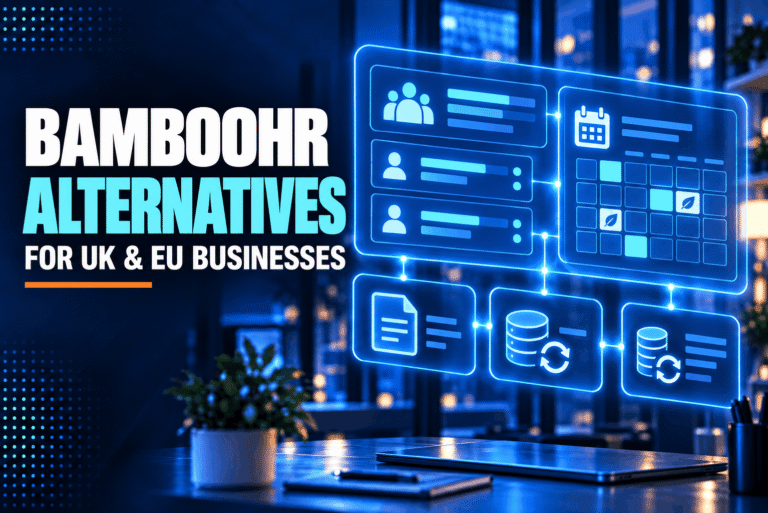
Gusto and Rippling are popular for combining payroll, benefits, and basic HR in one place. They handle tax filings automatically and give employees self-service portals for payslips and time-off requests. BambooHR stands out for companies that care most about employee experience. It offers beautiful onboarding flows, performance tools, and a simple interface that employees actually enjoy using.
For businesses that want more customization, tools like Zoho People or Odoo HR modules let you build workflows that match your exact processes without heavy coding.
The common theme I see is that successful small businesses pick one or two tools and use them deeply rather than trying to adopt everything at once. They focus on solving their biggest daily pain points first, whether that’s payroll, onboarding, or time tracking.
Real Benefits Small Businesses Are Seeing from HR Technology
The benefits go far beyond just saving time. Owners often tell me they notice improvements in several areas:
- Time savings: Many report cutting HR admin work by 50–70%. Tasks that used to take days now take minutes.
- Better employee experience. Self-service portals mean employees can check their own information, request time off, or update personal details without bothering HR.
- Improved accuracy. Automatic calculations for taxes, leave balances, and benefits reduce human error.
- Stronger compliance. Built-in tools help you stay up to date with changing labor laws across states.
- Better decision-making. Simple dashboards show turnover trends, engagement levels, and workload distribution, helping managers make informed choices.
One founder I worked with said switching to a modern HR platform was like “finally getting the back office organized so the front office could focus on customers.” Another mentioned that better onboarding through HR technology helped them reduce new hire turnover by almost 40%.
These aren’t theoretical benefits; they’re real outcomes small businesses are seeing when they implement HR technology thoughtfully.
Common Challenges and How to Overcome Them
Even though HR technology offers clear advantages, small businesses sometimes face hurdles when adopting it.
The most common challenge is the initial learning curve. Many owners worry their team will resist new tools or that implementation will take too much time. The solution is to start small, pick one process (like time-off requests or onboarding), and roll it out first. Give everyone proper training and create simple internal guides so new team members can learn quickly.
Another concern is cost. While many tools have affordable plans, the total cost can add up if you’re not careful. Focus on tools that offer good free tiers or clear per-employee pricing so you only pay for what you use.
Data privacy and security are also valid concerns. Choose reputable providers with strong encryption and compliance features, and always review what data you’re comfortable storing in the cloud.
The key to overcoming these challenges is to treat HR technology adoption as a gradual process rather than a big-bang change. Small, consistent steps lead to better results and less resistance from the team.
How to Get Started with HR Technology in Your Small Business
You don’t need to overhaul your entire HR system at once. Here’s a practical way to begin:
- Identify your biggest HR pain point right now. Is it payroll, onboarding, time tracking, or performance reviews?
- Research 2–3 tools that solve that specific problem and take advantage of their free trials.
- Involve your team early, show them how the tool will make their lives easier, not more complicated.
- Start with one process and get it working smoothly before adding anything else.
- Review after 30–60 days, measure time saved, employee feedback, and any issues that came up.
Most small businesses see noticeable improvements within the first month when they follow this approach. The goal isn’t to become an HR technology expert; it’s to use these tools to make your workday smoother and your business stronger.
HR technology is no longer a luxury for big corporations. It has become a practical, accessible way for small businesses to manage their workforce more efficiently while giving employees a better experience. When used thoughtfully, it frees up your time so you can focus on the things that really matter: growing your business and taking care of your people.