Let’s be real, generating leads isn’t the hard part anymore. Finding the right ones? That’s what keeps most business owners up at night.
You’re running ads, posting content, driving traffic… but the phone isn’t ringing as it should. Sound familiar? The difference usually comes down to having the right marketing tools for lead generation and actually using them as intended.
In 2026, people expect fast replies, personal touches, and zero hassle. If your system isn’t built for that, good leads disappear before you ever get to talk to them. The great news? With the right lead generation tools in place, you can create a steady, reliable system that brings in quality prospects without your team burning out.
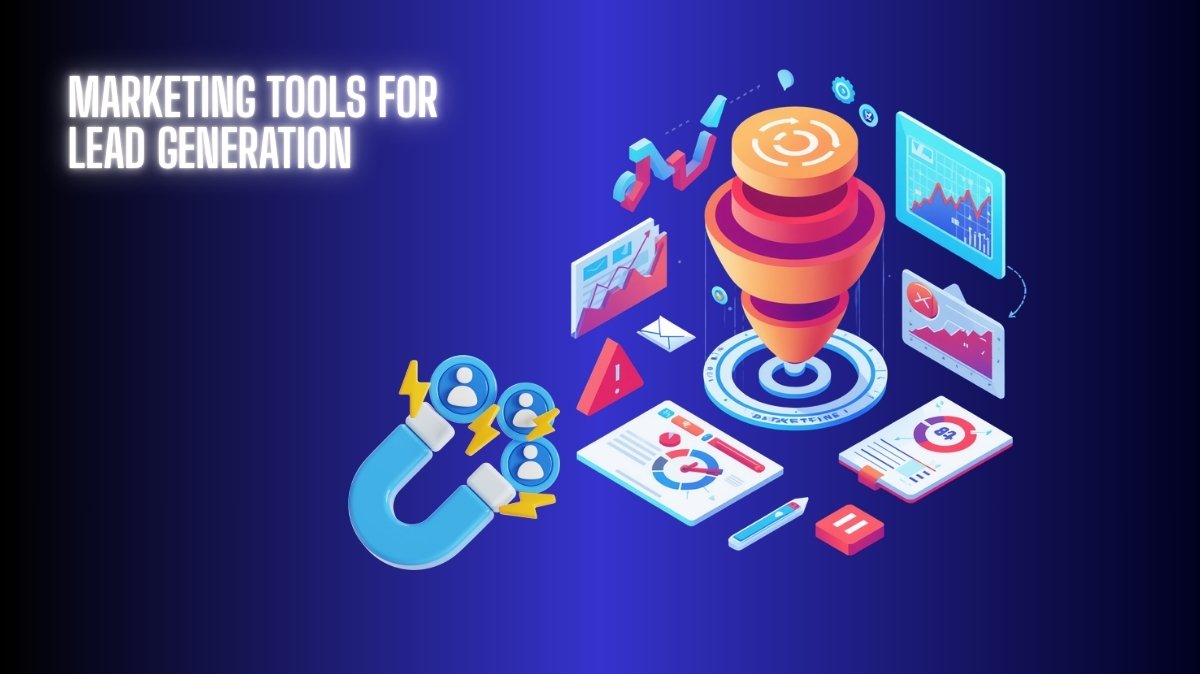
Here are the marketing tools for lead generation that actually move the needle for real businesses right now.
1. CRM Platforms That Keep Everything Organised.
If your leads are living in random spreadsheets, email inboxes, and random notes, you’re losing money every single day.
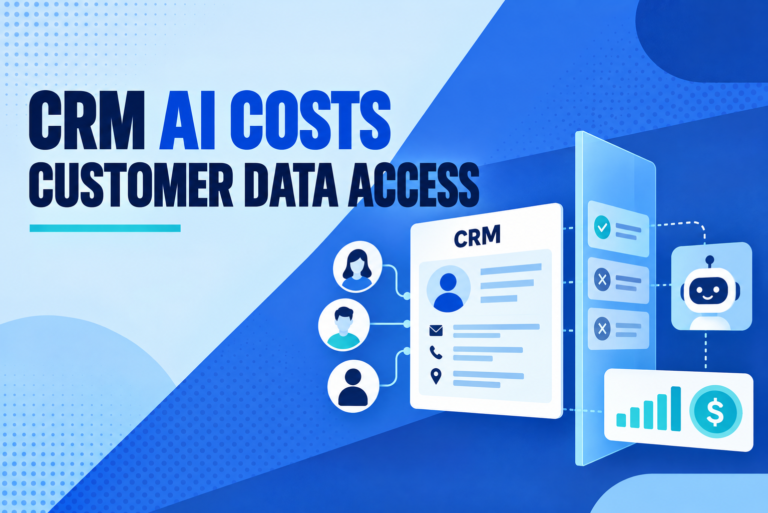
A solid CRM pulls everything into one clean dashboard so you can see exactly what’s happening. HubSpot, Salesforce, and Zoho CRM are still the go-to options for most U.S. teams.
Here’s what changes when you finally get one:
- You know exactly which ad, post, or referral brought each lead in
- Follow-ups happen automatically, no more “I thought I emailed them”
- Marketing and sales actually work from the same playbook
Most companies see their results improve almost immediately once they get this visibility. That’s why a good CRM is usually the first serious investment businesses make in marketing tools for lead generation.
2. Landing Pages That Actually Convert
Your homepage is great… but it’s not built to turn visitors into leads.
A dedicated landing page has one job: get the visitor to take action. Whether it’s grabbing a free guide, booking a call, or starting a trial, everything on that page should guide them straight to that goal.
Tools like Unbounce and Leadpages make it dead simple, even if you’re not a designer.
What actually works:
- A dead-simple layout with zero distractions
- A headline that speaks directly to the problem your customer has
- One clear, impossible-to-miss call-to-action
A quick A/B test on these pages can easily double your conversion rate. That’s why landing page builders are some of the most powerful digital marketing tools you can add to your stack.
3. Email Platforms That Nurture Leads for You.
Most people aren’t ready to buy the first time they find you. They need time, trust, and a few helpful nudges.
That’s where email quietly becomes one of the best lead generation tools around.
Mailchimp and ActiveCampaign let you set up automated sequences that do the heavy lifting: welcome new subscribers, send useful content, and gently move them toward a decision.
Picture this:
- Someone downloads your ebook
- They get a helpful follow-up the next day
- A few days later, they see a real customer story
- When the timing feels right, they get a low-pressure offer
No manual chasing. No dropped balls. Email marketing remains one of the most reliable tools for lead generation, especially for turning cold traffic into warm, ready-to-buy prospects.
4. Social Media & Paid Ads That Reach the Right People.
Throwing money at ads without smart targeting is just expensive guessing.
Facebook, LinkedIn, and Instagram ads have gotten ridiculously good at finding your ideal customer based on job title, behaviour, interests, and buying signals.
The benefits are huge:
- You test offers fast and cheap
- You reach people who are already in the market
- You can quickly scale whatever’s working
For many U.S. businesses, paid social remains the fastest way to fill the pipeline as long as targeting and messaging are on point. These platforms remain essential marketing tools for lead generation in 2026.
5. Lead Capture Tools That Feel Helpful, Not Pushy
Nobody likes those annoying pop-ups that scream “WAIT!” the second you land on a site.
But when done right, lead capture tools feel like you’re offering value at exactly the right moment.
OptinMonster and Hello Bar let you show smart messages based on behaviour, like a discount for people about to leave, or a free checklist after they’ve read several blog posts.
The magic is in the timing and relevance. Get that right, and your site starts converting visitors you used to lose forever. These are among the most underrated lead-capture tools.
6. Marketing Automation That Saves Time (and Your Sanity)
At a certain point, you can’t keep up with every lead manually.
Marketing automation tools like Marketo or ActiveCampaign let you build smart workflows that run in the background:
- Tagging leads based on how they behave on your site
- Sending the right email at the right time
- Notifying your sales team when someone shows buying signals
It’s not about replacing your team, it’s about giving them time to focus on the high-value conversations that actually close deals. For any growing business, these marketing automation tools are what make scaling possible without chaos.
7. Analytics Tools That Show You What’s Really Working.
Too many companies keep doing the same things month after month without knowing what’s actually driving results.
Google Analytics and Hotjar give you the clear, honest picture:
- Which channels are sending your best leads
- Where people are dropping off
- Which small changes (like a new headline or button colour) are moving the needle
Sometimes the data surprises you. But once you start making decisions based on real insights rather than guesses, your entire lead generation strategy becomes sharper and more effective.
Best Marketing Tools for Lead Generation in 2026
There are hundreds of tools out there. You don’t need all of them. You need the right mix that fits how your business actually works:
- A CRM to stay organised
- Landing pages that convert
- Email to nurture
- Smart ads to attract the right people
- Automation to scale
- Analytics to keep improving
When these lead-generation marketing tools work together, filling your pipeline stops feeling like a gamble. It becomes predictable, repeatable, and way less stressful.
Investing in the right lead generation tools isn’t just about getting more leads; it’s about building a system that consistently brings in the ones that actually matter to your business in 2026 and beyond.