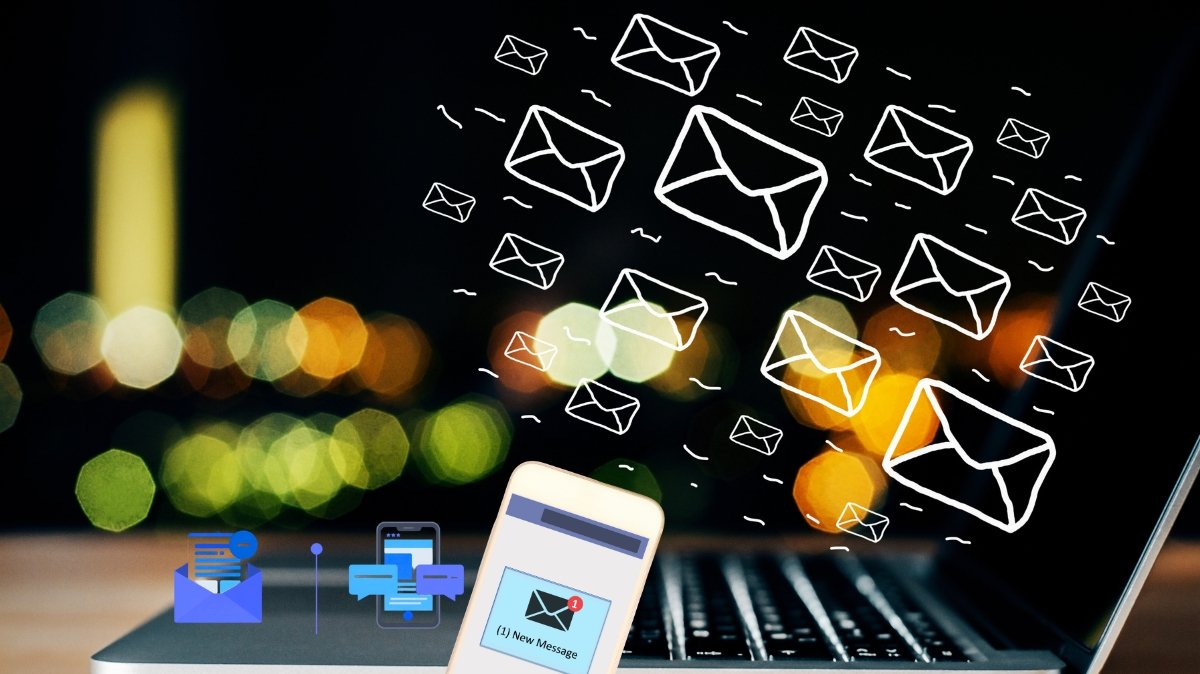
If you run a small business, you’re always looking for better ways to reach your customers without spending a fortune or wasting time. Two of the biggest options people talk about are email and SMS, and the question of email vs sms marketing tools comes up all the time. Both can bring in sales and keep customers engaged. Still, they work very differently, cost different amounts, and get different levels of attention. I’ve talked to a lot of small business owners who were trying to figure out the same thing: should they put more effort into email campaigns or text messages? In this guide, I’ll share what I’ve seen working in real life, the honest pros and cons, and how to decide what makes sense for your business.
Why the Email vs SMS Marketing Tools Question Matters for Small Businesses
Small businesses don’t have big marketing teams or endless budgets. Every hour and every dollar you spend on marketing needs to actually move the needle. That’s why understanding email vs sms marketing tools is so important.
Email has been around for a long time. It is still one of the most reliable ways to communicate with people who already know you. SMS (text messaging) is newer for many businesses, but gets opened and read much faster. The two channels serve different purposes, and using them the right way can make a big difference in how many sales you close and how much time you spend.
Many owners I speak with end up spending too much time on social media because it feels more “active.” At the same time, email quietly brings in more consistent revenue. SMS often gets overlooked or overused. Getting this balance right can save you time and improve your results without needing to hire extra help.
How Email and SMS Marketing Tools Actually Compare in Real Life
Let’s look at the practical side of email vs sms marketing tools based on what small businesses are experiencing right now.
Reach and Visibility. Social media gets a lot of attention. However, when it comes to direct marketing, email still reaches more people over time because you own the list. SMS has much higher open rates (often 90%+), but you can only send short messages, and customers have to opt in. Email allows longer, more detailed messages.
Cost: Email marketing tools are usually cheaper in the long run. You can send thousands of emails for very little money once your list grows. SMS costs more per message, so it adds up faster if you send a lot of texts. For most small businesses, a combination of both ends up being more affordable than relying on just one.
Engagement and Results SMS wins on speed and immediate action. People read texts almost right away and are more likely to click or reply. Email is better for building relationships and sending educational content or longer promotions. Many owners tell me their email list brings in more repeat sales, while SMS works great for flash sales or urgent reminders.
Ease of Use: Both types of tools have become much easier to use. Email platforms like Mailchimp and ConvertKit have simple drag-and-drop editors. SMS tools like Brevo and Textedly let you schedule texts and automate messages. The learning curve is small for both if you start simple.
Key Features Small Businesses Actually Use
Email Marketing Tools: Small businesses use email tools for newsletters, welcome sequences, abandoned cart reminders, and educational content. The best ones let you segment your list, automate follow-ups, and track opens and clicks. Tools like Mailchimp, ConvertKit, and Brevo are popular because they’re affordable and have good free tiers.
SMS Marketing Tools: SMS is mostly used for order confirmations, appointment reminders, flash sales, and quick customer service replies. The messages have to be short and direct, but they get read almost immediately. Brevo is popular because it combines email and SMS in one place, making it easier for small teams to manage both channels.
Most successful small businesses I’ve seen don’t pick one over the other. They use email for courting, constructing and deeper content and SMS for pressing or urgent messages. This aggregate gives them the strengths of each email vs sms marketing tool without spreading themselves too thin.
Email vs SMS Marketing Tools: Side-by-Side Comparison
Here’s a practical comparison based on what small businesses are experiencing right now:
| Feature | Email Marketing Tools | SMS Marketing Tools |
| Average Open Rate | 20–30% | 90–98% |
| Average Click-Through Rate | 2–5% | 15–30% |
| Cost per Message | Very low (often free up to limits) | Higher (per message fees) |
| Message Length | Long and detailed | Short and direct |
| Best For | Newsletters, educational content, promotions | Urgent offers, reminders, confirmations |
| Compliance Requirements | Moderate (CAN-SPAM) | Strict (TCPA, consent required) |
| Typical Monthly Cost (small list) | $0 – $50 | $20 – $150 |
Email is usually cheaper and better for sending longer, more detailed messages. SMS is more expensive per message but gets read much faster and drives higher immediate action.
Pros and Cons – Real Talk from Small Business Owners
Email Marketing Pros:
- Much lower price consistent with the message
- Can deliver longer, extra-precise information
- Easier to live compliant with pointers
- Great for constructing long-term relationships
- Excellent analytics and segmentation alternatives
Email Marketing Cons:
- Lower open and click on costs
- Messages frequently get buried in promotions folders
- Takes extra time to create handsome emails
SMS Marketing Pros:
- Extremely excessive open and response expenses
- Messages are read almost properly now
- Good for time-touchy gives and reminders
- Higher conversion charges for promotions
SMS Marketing Cons:
- Higher fee in keeping with the message
- Strict criminal necessities (customers want to choose in)
- Limited to very quick messages
- Risk of stressful customers if overused
From speaking to real small industrial organisation owners, the consensus is that email is higher for constant, relationship-targeted communication. At the same time, SMS is more powerful for pressing or high-price messages. The smartest approach is to use them both together as an alternative to selecting one over the other.
Which One Wins for Most Small Businesses?
After looking at real results from many small businesses, here’s what I’ve observed:
Email marketing usually wins for overall ROI and long-term customer relationships. It’s more cost-effective and allows you to share more information. SMS often wins when you need immediate action or high engagement rates.
The most successful small businesses I’ve seen don’t treat this as an “either/or” choice. They use email as their main channel for nurturing and selling, and SMS as a powerful support tool for urgent messages and reminders.
The key is to be strategic. Use social media and your website to grow your email list, use email for the relationship and revenue part, and use SMS for the moments when you need fast attention.
Many owners tell me they get the majority of their sales from email, even though SMS gets higher response rates on individual messages. The combination of both is what really moves the needle.
Email vs Sms Marketing Tools
You don’t need to master both channels perfectly right away. Start by way of manner of focusing on the handiest that feels more natural in your industrial organisation. If you already have an email list, improve your email marketing and advertising first. If your customers respond well to texts, discover the SMS system.
The most crucial factor is to be thoughtful. Use email vs sms marketing tools in a manner that suits your audience and your price range, and continually recognition on offering price as opposed to simply promoting.
Take a few minutes this week to review your current marketing efforts. Are you relying too much on one channel? Could adding the other improve your results? Small, thoughtful changes often make the biggest difference.